
Affordable Basement Waterproofing for St. Louis Homes
Basement leaks are one of the most common headaches for St. Louis homeowners. Smart, affordable waterproofing protects your home, improves indoor air quality, and preserves resale value. This guide explains why basements in our area are prone to water problems, outlines practical interior and exterior fixes that work here, and shows how to estimate local costs. You’ll get clear options—interior French drains, sump pump systems, exterior membranes, crawl space encapsulation, and foundation stabilization—and learn how each solution tackles the actual cause of water entry. We also cover local soil and weather factors, cost ranges and what affects price, financing choices, and the typical inspection-to-warranty workflow professionals use to minimize disruption. Terms like hydrostatic pressure, clay soil, vapor barrier, and sump pump installation St. Louis are included so you can match remedies to local conditions and choose the most cost-effective plan for your home.
Safeguarding St. Louis Basements: Affordable Waterproofing Solutions
Waterproofing keeps water out of living spaces and protects the foundation by managing runoff, sealing entry points, and lowering hydrostatic pressure on foundation walls. In St. Louis, heavy seasonal rain and dense clay soils increase subsurface water pressure, which can force moisture through cracks and joints. A good waterproofing solution reduces mold risk, prevents progressive structural damage, and preserves property value. Knowing the local causes of basement moisture helps you pick solutions that fix the problem—not just cover the symptoms. The next section describes the specific soil and weather conditions that drive recurring basement moisture in St. Louis neighborhoods.
What Unique Soil and Weather Challenges Affect St. Louis Basements?
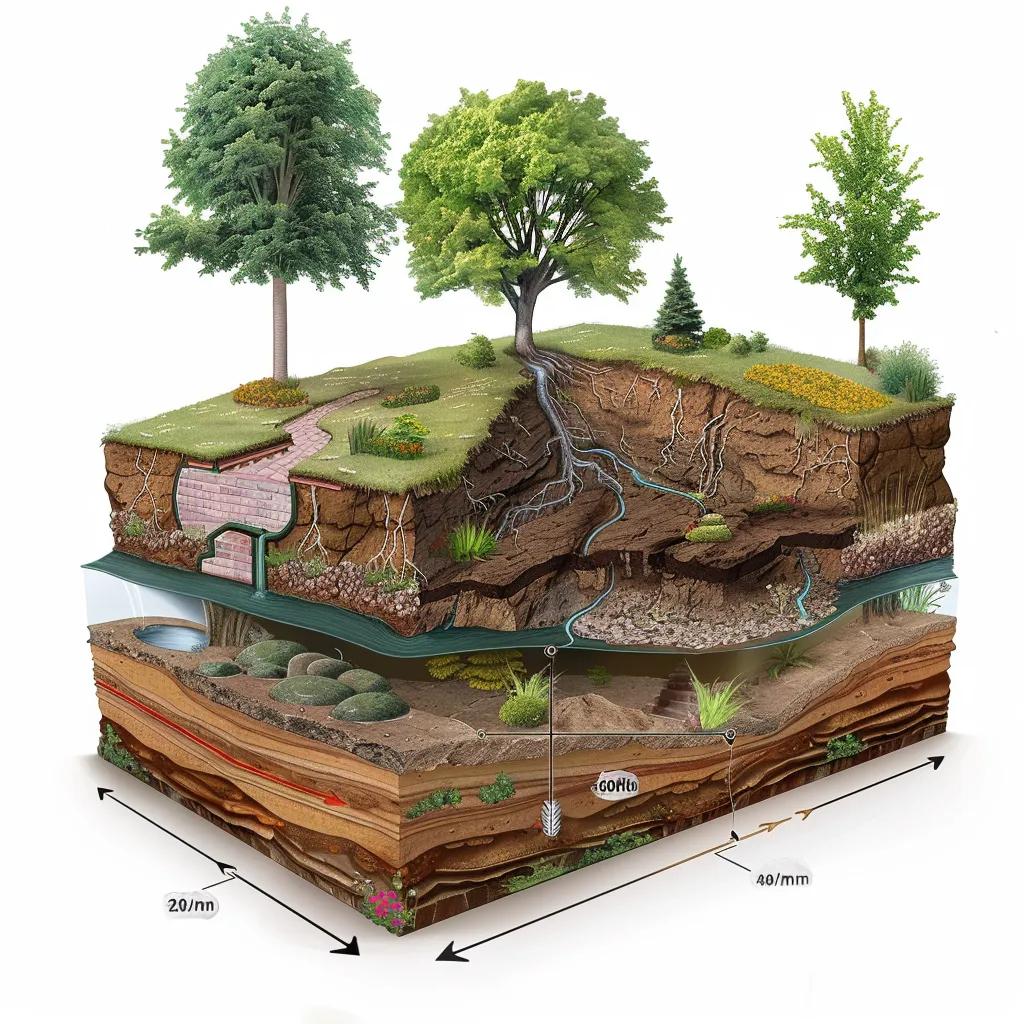
Many St. Louis homes sit on expansive clay that holds water, swells when wet, and limits drainage. As clay soaks up moisture it reduces soil permeability and pushes water toward the easiest escape—often into below-grade walls. Seasonal heavy rains and occasional intense storms raise the groundwater table and increase hydrostatic pressure, driving water through hairline cracks and seams. Poor yard grading, clogged gutters, and short or missing downspouts make matters worse by concentrating runoff near foundations. Choosing the right fix—an interior French drain for subsurface flow or an exterior membrane for chronic outside seepage—starts with diagnosing which mix of these local factors is present.
St. Louis Area Groundwater Flooding and Water Problems
This study examines groundwater flooding and related water issues in the American Bottoms area to assess needs and possible improvements. The study area lies on the Illinois side of the Mississippi River floodplain between Alton and Dupo, covering roughly 175 square miles and stretching about 30 miles long with a maximum width near 11 miles. Federally built levees protect the region from direct Mississippi River flooding. Stage I of the study identified problem areas linked to high groundwater levels, impacts on water supply and environmental quality, and effects on water-based recreation.
Americar Bottoms Groundwater Study Reconnaissance Report, Water Resource Investigation, St. Louis Metropolitan Area, Missouri and Illinois
What Are the Risks of Ignoring Basement Waterproofing in St. Louis?
Putting off waterproofing lets small issues become expensive ones. Persistent dampness encourages mold and mildew, which harms indoor air quality and can affect sensitive occupants. Repeated wetting and drying cycles enlarge foundation cracks, cause settlement, and raise the cost of eventual structural repairs. Unresolved basement water problems also hurt resale value and can complicate insurance claims. Acting promptly with targeted waterproofing limits health, structural, and financial risks and keeps minor moisture problems from turning into major repairs.
What Affordable Basement Waterproofing Services Does Mayim Offer in St. Louis?
Affordable waterproofing focuses on fixing the root cause while keeping disruption and cost reasonable. Core, cost-effective approaches include interior drainage with sump pumps, targeted crack repair and sealants, perimeter interior French drains, selective exterior drainage and membranes, crawl space encapsulation, and foundation stabilization when settlement is present. Each option balances upfront cost with long-term performance depending on the source of water and your budget. Below is a quick side‑by‑side to help you compare services and expected impacts.
Introductory table: the table shows what each core service fixes and how much disruption to expect during installation.
This comparison clarifies which leak mechanisms each service targets and what to expect for timeline and site impact. The following sections describe how interior systems, exterior solutions, encapsulation, and foundation repair work in practice.
How Does Interior Basement Waterproofing Protect Your Home?
Interior waterproofing captures water that reaches the foundation and directs it to a sump pump instead of letting it soak walls or finished areas. Typical interior systems include a perimeter (French) drain placed at the footing, a channel beneath the floor, and a sump basin with a durable pump and optional battery backup for outages. Interior solutions reduce hydrostatic pressure at the wall line and are usually less disruptive and less expensive than full exterior excavation—making them a smart choice for finished basements or tight yards. They work best when the main issue is subsurface flow and allow for staged upgrades if additional measures become necessary.
What Exterior Waterproofing Solutions Are Available for St. Louis Homes?
Exterior waterproofing prevents water from ever reaching the foundation by excavating problem walls, applying waterproof membranes, and installing external drain tile or gravity-fed French drains to move water away. When surface runoff or failed exterior membranes cause leaks, exterior work fixes the underlying problem by restoring positive drainage, resealing the foundation, and protecting the wall from saturation. Exterior solutions are more invasive and typically costlier but offer long-term protection—recommended when exterior saturation or membrane failure is the main issue. For large excavations, permits may be required, so check local codes and discuss this during the estimate.
How Does Crawl Space Encapsulation Improve Moisture Control and Air Quality?
Crawl space encapsulation controls ground moisture and humidity by installing a continuous vapor barrier, sealing vents and penetrations, and often adding a dedicated dehumidifier to keep conditions dry. Encapsulation reduces moisture and contaminant transfer into living areas and helps HVAC systems run more efficiently by stabilizing return-air conditions. Benefits include better indoor air quality, reduced mold risk, potential energy savings, and lower pest pressure. For homes with accessible crawl spaces that show dampness, encapsulation is a cost-effective complement to foundation and drainage work.
Why Is Foundation Repair Essential for Long-Term Waterproofing Success?
Foundation repair fixes structural problems—settlement, bowed walls, or large cracks—that can cause or worsen water intrusion, ensuring waterproofing remains effective. Common repair methods include crack stabilization, wall straightening, or underpinning to restore bearing capacity and stop future movement. Pairing structural repair with moisture-control systems means you address both cause and effect, producing a durable solution and often better warranty options. Correct sequencing—repairing structural issues before or with waterproofing—prevents new leaks caused by ongoing movement.
How Much Does Basement Waterproofing Cost in St. Louis?
Short answer: costs vary widely. Targeted crack repair can be a few hundred dollars; interior drainage and sump systems typically run several thousand; full exterior excavation and membrane installs can reach higher five-figure totals. Final price depends on scope, materials, access, and whether structural repair is needed. Below is a breakdown of common components and typical St. Louis ranges to help homeowners budget and compare options.
Intro to cost table: This table lists common waterproofing components, clarifies what each includes, and provides typical cost ranges homeowners can expect in the St. Louis market.
Summary: these ranges reflect typical local installs; complexity, access, and required structural work drive variation. The list below explains the major cost drivers so you can understand how contractors form estimates.
- Scope of damage and necessary repairs
- Choice of interior vs exterior methods
- Soil conditions and hydrostatic pressure levels
- Accessibility and landscape restoration needs
What Factors Influence Basement Waterproofing Prices in St. Louis?
Price depends on the root cause of water entry (surface runoff versus hydrostatic pressure), the chosen method (interior vs exterior), whether foundation repair is required, and site access or landscaping impacts. Interior fixes are usually less expensive and faster to install; exterior excavation provides more permanent protection for exterior-driven issues but costs more. Material quality—high-grade membranes, pumps with battery backup, or commercial drainage tile—also affects price and longevity. For example, a finished basement with subsurface seepage often favors an interior French drain and sump ($2,000–$6,000), while visible exterior saturation and wall leakage may call for a $10,000+ exterior membrane and drainage solution.
What Financing and Payment Options Make Waterproofing Affordable?
Financing and flexible payment plans can lower upfront cost barriers when immediate waterproofing is needed. Common options include in-house payment plans, third-party financing, or deferred payment arrangements that spread costs over months or years—terms vary by contractor and credit. Request transparent, itemized quotes and compare financing offers to understand total cost and monthly payments. Mayim Basement Waterproofing offers free estimates and flexible payment options to help homeowners choose a cost-effective plan that fits their budget and urgency.
What Is the Step-by-Step Process for Affordable Basement Waterproofing in St. Louis?
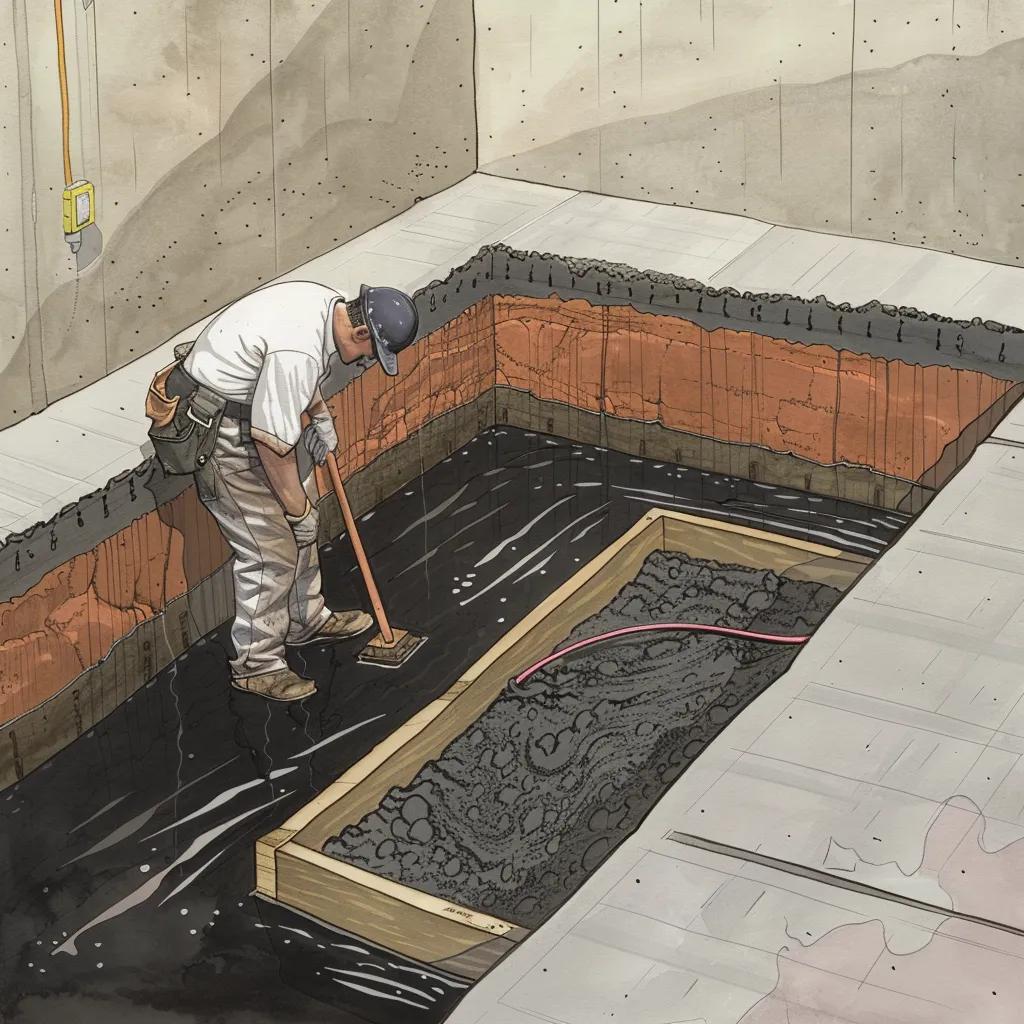
A reliable waterproofing job starts with a thorough inspection, a clear diagnosis, a tailored solution, professional installation, and documented follow-up with warranty support. This stepwise approach targets root causes and produces long-lasting results. Below is a simple checklist that summarizes the typical professional workflow for cost-conscious waterproofing projects.
- Inspection and diagnosis: Visual exam, moisture checks, and grading assessment identify source(s) of water.
- Solution design: Select interior and/or exterior tactics based on cause, access, and homeowner priorities.
- Installation: Install drain systems, sump pumps, membranes, crack repairs, or encapsulation with quality materials.
- Testing and cleanup: Verify pump operation, perform leak tests, and restore disturbed areas.
- Documentation and warranty: Provide written notes, maintenance guidance, and transferable warranty information.
Intro to process table: The table below maps each core step to the contractor action and expected homeowner benefit.
This structured process ties each intervention to the underlying cause and helps homeowners see where costs occur and what outcomes to expect. The next sections explain how Mayim inspects, selects solutions, and ensures professional installation and follow-up.
How Does Mayim Inspect and Diagnose Basement Water Problems?
Mayim starts with a methodical visual survey inside and outside the home—looking for cracks, efflorescence, and water stains—then uses moisture mapping and grading checks to decide whether seepage is from surface runoff or hydrostatic pressure. We inspect gutters, downspouts, and nearby drainage patterns to identify outside contributors. The diagnosis separates localized leaks, which might need crack repair, from systemic issues that require drainage systems. Clear diagnosis lets homeowners choose the most durable and affordable combination of measures and provides an itemized estimate to compare.
What Customized Solutions Are Recommended for St. Louis Homes?
Recommendations are based on root cause: interior French drains and sump pumps for subsurface flow, exterior membranes and grading correction for surface-driven problems, and crawl space encapsulation where ground moisture affects air quality. Combination approaches—like interior drainage plus exterior grading fixes—are common and often deliver reliable protection without unnecessary excavation. Decision factors include whether the basement is finished, yard access, and resale considerations. A clear plan helps balance immediate affordability with long-term performance.
What Does Professional Installation and Follow-Up Include?
Professional installation covers careful trenching or channeling for drains, correct placement and load-tested sump pumps, precise sealant or membrane application, and restoration of flooring, walls, or landscaping. Quality control includes on-site pump testing, flow verification away from the foundation, and cleanup to homeowner standards. Follow-up provides documentation of work performed, maintenance guidance, and warranty details including transferability and coverage. This combination of workmanship and aftercare lowers the chance of recurring issues and protects your waterproofing investment.
Short summary and Mayim positioning: Mayim Basement Waterproofing follows this inspection-to-warranty workflow with clear estimates and service options designed to be cost-conscious and effective, helping homeowners with financing and documented warranty protection.
What Do St. Louis Homeowners Say About Affordable Basement Waterproofing Services?
Homeowners commonly report that effective waterproofing reduces storm anxiety, eliminates visible dampness, and prevents mold growth—key measures of value. Cost-conscious customers often praise targeted interior solutions that stopped leaks at a fraction of exterior excavation costs. Transferable warranties and written maintenance guidance also boost buyer confidence and resale appeal. The list below highlights frequent outcomes after well-executed waterproofing work.
- Reduced or eliminated basement seepage during heavy rains within weeks of installation.
- Noticeable improvement in indoor air quality and reduced musty odors.
- Preservation of finished basement space and avoided costly mold remediation.
Short action paragraph (CTA): Contact us to get a free estimate for quality Basement Waterproofing St. Louis service
Which Customer Reviews Highlight Cost-Effective Waterproofing Success?
Typical homeowner accounts emphasize quick results and clear communication: an interior French drain and sump stopped repeated seepage, a targeted crack injection sealed a persistent leak, and crawl space encapsulation lowered humidity and improved HVAC performance. Homeowners value measurable outcomes—no new stains after storms, lower moisture readings, and warranty coverage that can transfer to a buyer. These examples show that focused, affordable fixes often deliver immediate relief and long-term protection without full exterior excavation.
- An interior French drain and sump install stopped repeat seepage
- A focused crack injection removed a persistent leak
- A crawl space encapsulation lowered humidity and improved HVAC efficiency
How Do Transferable Warranties Add Value to Your Investment?
A transferable warranty lets remaining coverage pass to a future buyer, which can increase buyer confidence and help resale. It provides assurance that waterproofing work was completed professionally and that covered components—pumps, drains, membranes—are backed by repair or replacement terms. When reviewing warranties, ask about transfer conditions, length, and maintenance required to keep coverage valid. Clear warranty documents and an itemized scope protect value and reduce disputes at sale.
What Are Common Questions About Affordable Basement Waterproofing in St. Louis?
This section answers frequent homeowner questions so you can evaluate options quickly and be ready for an informed estimate. Short answers below cover the topics most often raised during inspections and estimate meetings.
How Long Does Basement Waterproofing Last in St. Louis?
Longevity depends on the system: sump pumps typically last 7–15 years depending on use and maintenance; interior drain systems can perform for decades if kept clear and the sump is maintained; exterior membranes often last many years but may be affected by soil movement. Regular maintenance—testing pumps, keeping downspouts clear, and watching for new cracks—extends system life. Choosing quality materials and documented installation makes warranty claims easier.
What Is the Best Sump Pump for St. Louis Homes?
For St. Louis, a submersible sump pump with a battery backup is usually the best choice because storms can cause power outages and large water volumes. Key specs include adequate horsepower for your flow, a reliable switch type, and a backup battery sized to run for several hours. For finished basements or high-volume events, look for modern submersible pumps with alarms and battery backup for dependable, affordable protection.
Are Permits Required for Basement Waterproofing and Sump Pump Installation in St. Louis?
Permit needs vary by scope and municipality. Minor interior work often doesn’t require a permit, while exterior excavation, new sewer or gravity connections, or electrical installs for pumps commonly trigger permit and inspection requirements. Always check with your local building department and ask the contractor to confirm permit needs during the free estimate. Permits protect homeowners by ensuring work meets local codes and are often required for transferable warranties and insurance records.
Frequently Asked Questions
What are the signs that my basement needs waterproofing?
Look for visible water stains or discoloration on walls, a damp or musty smell, mold growth, or rising indoor humidity. Cracks in the foundation, seepage at the wall‑floor joint, or water pooling near the foundation after heavy rain are also red flags. Catching these signs early can prevent bigger, costlier repairs.
How can I maintain my basement waterproofing system?
Keep your system working by testing and cleaning the sump pump regularly, clearing debris from drains, and inspecting for new cracks or stains. Maintain positive grading and clear gutters and downspouts so water flows away from the house. An annual checkup with a professional helps spot issues before they become problems.
Can I perform basement waterproofing myself?
Some minor tasks—sealing small cracks or applying surface waterproofing—can be DIY. But most effective solutions, like installing sump pumps, French drains, or exterior membranes, require professional skills and equipment to ensure proper installation and long-term performance. Hiring a pro also helps ensure local code compliance.
What is the average lifespan of waterproofing solutions?
Lifespan varies: sump pumps usually last 7–15 years with maintenance; interior drainage systems can function for decades if kept clear; exterior membranes can last many years but may be affected by soil movement. Regular inspections and upkeep are key to extending service life.
How do I choose the right waterproofing contractor?
Check experience, local references, and reviews. Choose contractors who specialize in basement waterproofing and can show recent, comparable work. Ask for multiple, itemized estimates and confirm warranty terms. Reliable contractors explain options clearly and provide written documentation.
What financing options are available for basement waterproofing?
Many contractors offer financing including in-house payment plans, third-party loans, or deferred payment options. These let you spread the cost over time. Discuss financing during your estimate so you understand monthly payments and total cost before you decide.
Are there any health risks associated with a wet basement?
Yes. Damp basements encourage mold and mildew, which can cause or worsen respiratory issues and allergies. Stagnant water can also attract pests. Prompt waterproofing reduces these health risks and improves overall indoor air quality.
Conclusion
Affordable basement waterproofing is a smart investment for St. Louis homeowners who want to protect their property and keep indoor air healthy. By understanding local soil and weather challenges, you can choose strategies that address the real causes of moisture intrusion. Don’t wait for small problems to grow—take action to safeguard your home. Contact us for a free estimate and learn about cost-effective waterproofing options tailored to your needs.